
Title: Nude 01.73 | Edition: 3/50 | Size: 24″x 32″ approx. | Media: Epson Ultrachrome HDR inkjet print.
©2012 Richard Lohr
About “Take Home a Nude”
Hope to see you next week.
*Sorry… I couldn’t resist the pun.
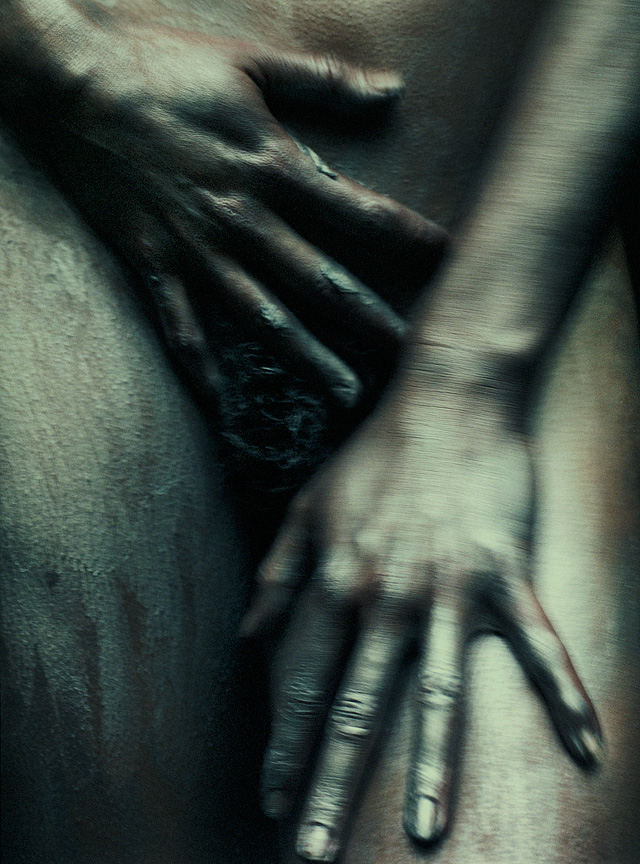
Title: Nude 01.73 | Edition: 3/50 | Size: 24″x 32″ approx. | Media: Epson Ultrachrome HDR inkjet print.
©2012 Richard Lohr
About “Take Home a Nude”
Hope to see you next week.
*Sorry… I couldn’t resist the pun.

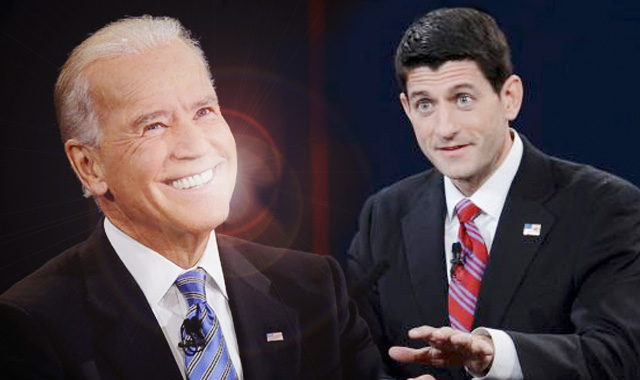
You know… it’s said that who “wins” a vice presidential debate has little or no effect on the outcome of a presidential race, but this debate (like the 2007 VP debate) made for a highly entertaining MovieNight. The turnout was surprisingly good, and a lot of martinis were served. For someone who was just two years old when his opponent first became a senator, Congressman Ryan hung in there pretty well, but ultimately he was no match for “The Bidenator” and his razor-sharp wit. Not to mention the teeth.
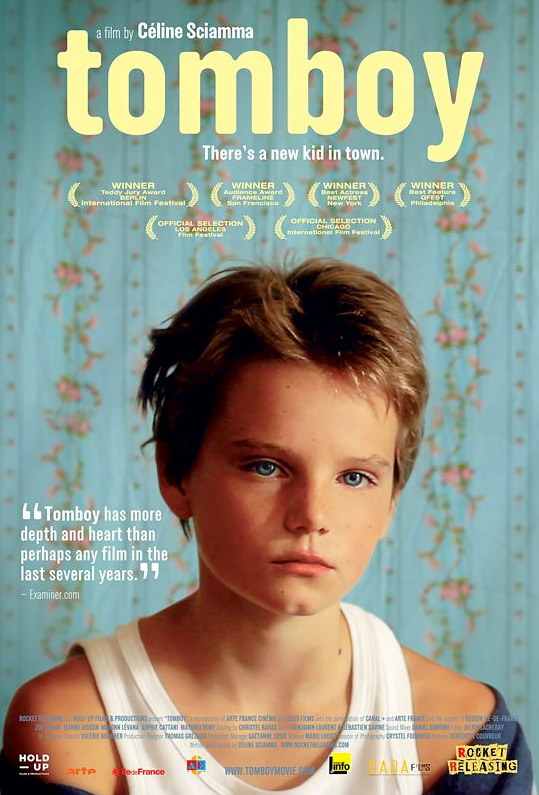
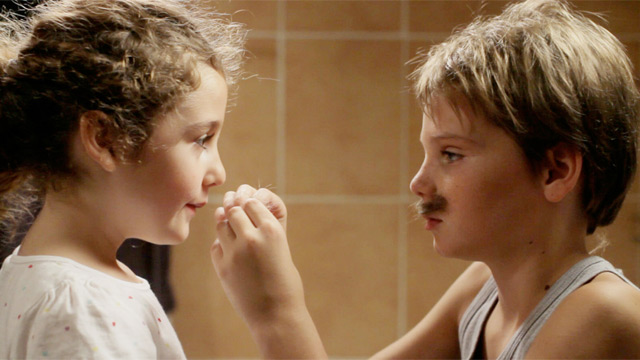
Céline Sciamma’s adorable Coming-of-Age-with-Gender-Ambiguity Tomboy brought our new MovieNight season into modern territory in fine style. The subject matter was tenderly handled, and Sciamma seems to have found her own voice in this, her sophomoric piece. More please, Céline!
Tomboy has been available to stream on Netflix for a while now, and in some ways that presents a dilemma for MovieNight. It’s been a point of pride for us to introduce a rarity to our audience, and surely we will be able to continue doing this even as it becomes easier and easier for people to watch anything, any time. But at the end of the day, there are two components to MovieNight: the movie, and the night. We hope that the whole is greater than just the sum of the parts. KnowwhatI’msayin’?
Speaking of which, how good was that cheesecake? Happy Birthday, Zofi. x
More about this film on IMDb 
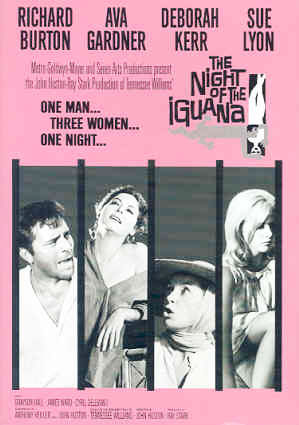
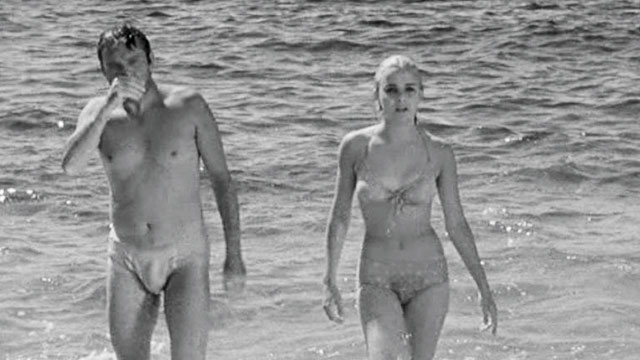
Our season opened with a mystery showing. A fantastical (in the words of the Reverend T. Lawrence Shannon) prize was offered to the guest who could most faithfully recite Nano’s completed poem, but alas, the clues proved too obscure to be followed. Too bad!
Still, those who came along faithfully, trusting in our curating, and just needing a good fix of MovieNight were not disappointed. Although I wouldn’t want to watch Night of the Iguana every month, once every couple of years is wonderful. Expect another screening in season thirteen!
The best news? We’re baaaaaaaack!
More about this film on IMDb
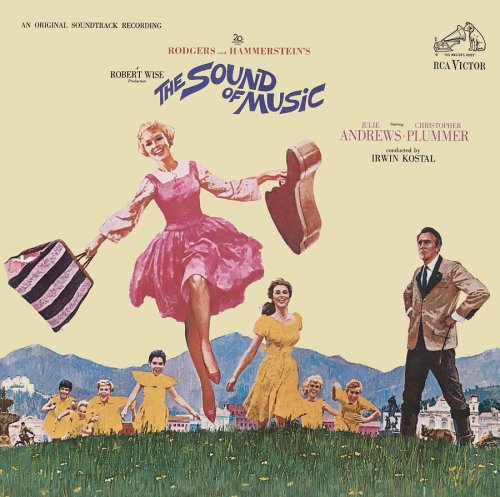
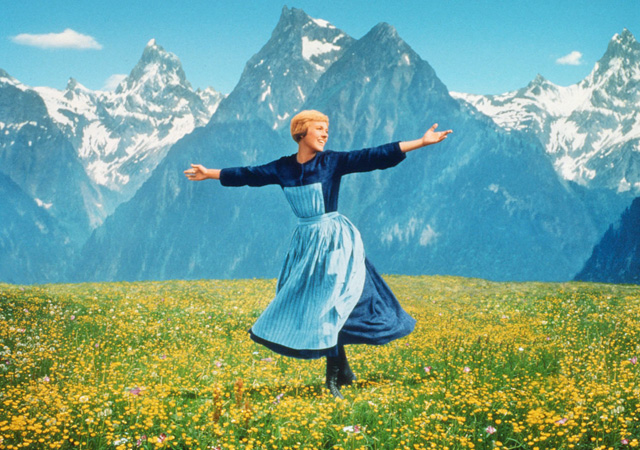
Location: Austrian alps. Pretty, free-spirited (dare I say “Maverick”?) nun sent from convent to be governess to seven unruly, motherless children. Handsome, aristocratic father rules his children with totalitarian authority. Wealthy, cold-hearted sophisticate contrives to marry the father. Meanwhile, the Nazi machine has taken over Austria in the “Anschluss”, and there are bad guys everywhere. On top of all this, the cast is singing frequently throughout the practically three-hour duration. How could this be good?
Somehow it is. Somehow it’s marvelous. The Sound of Music made a perfect finale to our MovieNight season! Some of our guests had never seen it… they were lucky to see the crisp and colorful Blu ray transfer, rather than stumble upon it in a late-night television presentation. Julie Andrews charmed us, of course. When Flea took exception (seemingly… he’s not that smart) to a line about animals and started barking at the screen, we wept with laughter.
After the movie, we gave away a lot of lovely raffle prizes, and Acacia eventually managed to destroy the pinata that Betty-Sue had generously supplied. Another great MovieNight season finale!
Until September… so long, farewell, Auf wiedersehen, adieu…
More about this film on IMDb


City Lights may have been Chaplin’s anti-talkie holdout, and Modern Times a sub-futurist footnote to Rene Clair, but Dictator was something new. A case of conceptual postmodern brio, the film arose from the bipolar synchronicity between two little men with toothbrush mustaches born four days apart and then simultaneously world-famous for years running. (“He’s the madman, I’m the comic. But it could have been the other way around,” Chaplin was quoted as saying.) The result is an unrepeatable explosion of doubling the most renowned entertainer in the world laying his own persona down on the railroad tracks of fascist mania. It was the first film to josh about genocide, even as it was still in the planning stage. If we’re a trifle inured to Nazi jokes by now, Chaplin’s high-spirited mockery shouldn’t be taken for granted: Production began in 1937, before even the annexation of Austria, and when it was finally released ripping Hitler every which way and derisively airing the matters of concentration camps, mass slaughter, and “MARVelous poison gas!” the U.S. was still neutral.
As an individual political act, it marched alone in Golden Age Hollywood. (Think about how spineless Oliver Stone’s W. looks by comparison.) Like all major Chaplin works, Dictator was a cheaply, but methodically, made film, a cardboard act of humanist defiance, and, thanks to its purity of purpose, the cheesier the jokes get (famously, the German language itself receives a phlegmatic hosing), the harder they land. Reportedly, Hitler banned it, then watched it alone twice.
Review by Michael Atkinson for the Village Voice
More about this film on IMDb